
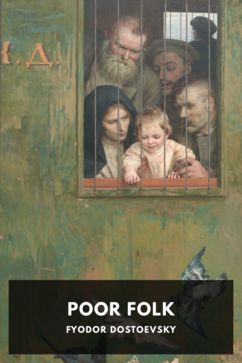
Poor Folk - Fyodor Dostoevsky
Okay, let's be honest. When you hear 'Dostoevsky,' you might think of massive, dense novels about philosophy and crime. 'Poor Folk' is different. It's his debut, and it's surprisingly intimate. The whole book is just a collection of letters. No narrator, no fancy descriptions—just the raw, unfiltered voices of two people trying to survive.
The Story
We meet Makar Devushkin, a low-level government clerk who lives in a run-down corner of a kitchen, and Varvara Dobroselova, his young, orphaned relative. They write to each other constantly. Makar sends her what little money he can scrape together, along with detailed accounts of his humiliations at work and his love for cheap tea. Varvara writes about her own struggles, her fragile health, and her memories of a slightly better past. Their world is tiny and shabby, measured in kopecks and patched boots. The plot isn't about big events; it's about the slow, grinding pressure of having nothing, and the beautiful, awkward tenderness that grows between them as they share every small joy and every crushing disappointment.
Why You Should Read It
This book grabbed me because it makes you feel poverty in your bones. It's not statistics; it's the panic of a lost button because you can't afford a new coat. Dostoevsky shows how being poor warps your dignity and your mind. Makar is painfully aware of how others see him—as a joke, a 'rag'—and it's devastating. But here's the magic: within all that grimness, their friendship shines. Their letters are their lifeline. You see Makar's love grow from paternal care into something deeper and more tragic. You see Varvara's quiet strength. It's a masterclass in character, all built through their own words.
Final Verdict
This is the perfect starter Dostoevsky. It's short, focused, and packs an incredible emotional punch. If you love character-driven stories, if you've ever felt overlooked or struggled to make ends meet, this book will speak to you. It's also a fascinating look at the seed that grew into his later, more famous works. Perfect for readers who believe the smallest stories about human connection can be the most powerful. Just have some tissues ready.
This digital edition is based on a public domain text. It serves as a testament to our shared literary heritage.
James Perez
1 month agoIt took me a while to process the complex ideas here, but the evidence-based approach makes it a very credible source of information. This has become my go-to guide for this specific topic.
Elizabeth Thompson
9 months agoI was skeptical about the depth of this book at first, but the author’s unique perspective adds a fresh layer to the discussion. A refreshing and intellectually stimulating read.
Kenneth Rodriguez
8 months agoGreat read!
Logan Allen
1 year agoHaving read this twice, it creates a vivid world that you simply do not want to leave. Worth every second.


George Thomas
2 months agoThe citations provided are a goldmine for further academic study.