
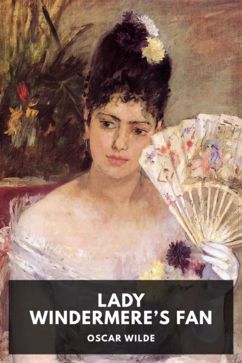
Lady Windermere’s Fan - Oscar Wilde
Oscar Wilde's first major stage success, Lady Windermere's Fan, is a play that feels as fresh and sharp today as it did in 1892. It’s a story about gossip, secrets, and the surprising ways people protect each other.
The Story
The plot kicks off when the young, morally rigid Lady Margaret Windermere finds evidence that her devoted husband, Lord Windermere, has been giving money to a Mrs. Erlynne, a woman with a scandalous past. Convinced her husband is having an affair, Margaret decides to punish him by running away with another admirer, Lord Darlington, who has been quietly pursuing her. On the brink of social ruin, Margaret is intercepted by none other than Mrs. Erlynne herself, who persuades her to return home for the sake of her child and her reputation. The famous ‘fan’ of the title becomes a crucial piece of evidence left behind in Darlington’s rooms, leading to a tense, witty scene where Mrs. Erlynne boldly claims it as her own to shield Margaret. The real relationship between Mrs. Erlynne and the Windermeres is the play's heart, and its revelation changes everything.
Why You Should Read It
Don’t let the fancy costumes fool you. This play is about real, messy people. Wilde is a genius at showing the gap between society’s strict rules and how people actually behave. We judge others quickly (like Margaret judges Mrs. Erlynne), but life is full of hidden sacrifices and private kindnesses. The characters are fantastic. Margaret is young and idealistic, which makes her mistakes understandable. Lord Darlington is the charming but ultimately shallow ‘bad influence.’ And Mrs. Erlynne? She’s one of Wilde’s greatest creations—worldly, clever, and carrying a secret that redefines what it means to be a good person. The dialogue is pure magic. Every other line is a perfectly crafted joke or a cutting observation about life, love, and London society.
Final Verdict
This book is perfect for anyone who loves a smart, funny story with heart. If you enjoy witty banter, intricate social puzzles, and characters who surprise you, you’ll adore this. It’s a great introduction to Wilde—shorter than The Picture of Dorian Gray but packed with just as much cleverness. It’s also a brilliant pick for book clubs; the moral dilemmas and hidden motives will give you plenty to talk about. At its core, it’s a play that asks: is it better to be good, or to be kind? The answer might surprise you.
This text is dedicated to the public domain. Feel free to use it for personal or commercial purposes.
Nancy Johnson
2 years agoVery satisfied with the depth of this material.
Linda White
10 months agoIt effectively synthesizes complex ideas into a coherent whole.
Barbara Thompson
3 months agoBefore I started my latest project, I read this and the logic behind each conclusion is easy to follow and verify. This exceeded my expectations in almost every way.
Karen Brown
1 year agoHaving followed this topic for years, I can say that it manages to maintain a consistent flow even when discussing difficult topics. A solid investment for anyone's personal development.








Joseph Jackson
9 months agoSolid information without the usual fluff.